The Complete Aircraft Protection Guide

How to Prevent Damage, Reduce Risk, and Improve Operational Readiness
Aircraft are engineered for precision in flight, but on the ground, they are surprisingly vulnerable. When idle, the aircraft’s probes, sensors, and engines are exposed to environmental hazards, including foreign object debris, weather, and human error. Even minor contamination and damage can lead to costly maintenance issues, safety concerns, and operational delays.
For commercial, military, and executive aviation operations, aircraft ground protection is not optional. It’s a critical layer of risk mitigation.
This guide breaks down everything you need to know about aircraft ground protection systems, including why they matter, what risks they address, and how to implement a comprehensive, standardized approach.
What is Aircraft Protection?
Aircraft protection refers to a comprehensive system of covers, barriers, shields, and other protective devices designed to shield critical components when an aircraft is not in operation.
These systems are typically applied during:
- Turnarounds
- Maintenance operations
- Overnight storage
- Long-term storage
These systems protect critical components, including avionics sensors and probes (pitots, AOAs, etc.), engine intakes and exhausts, and other critical vents and surfaces. The goal is simple: preserve the integrity of critical systems when the aircraft is exposed to environmental hazards and human error.
The Biggest Risks to Unprotected Aircraft
While aircraft systems are designed to withstand flight conditions, ground environments introduce a different set of risks.
Foreign Object Debris (FOD)
Foreign Object Debris (FOD) includes any loose material that can contaminate and damage aircraft systems, such as dust, sand, small metal fragments, small parts like screws, and even insects. Even microscopic contamination can affect sensitive instruments, including pitot probes and static ports.
FOD can cause faulty airflow readings and airspeed indicators, which can confuse pilots and lead to costly and deadly crashes.
In areas with high-FOD or insect concentration, contamination can occur rapidly, even during short turnarounds.
Environmental Exposure
Environmental exposure includes weather and environmental conditions that can contaminate or damage avionics and engine systems.
Moisture, including rain, humidity, and condensation, is a persistent and often underestimated risk to aircraft systems. Potential impacts of moisture intrusion include corrosion of components, water ingress into pressure-sensitive systems, and contamination of the pitot-static system. Even minor moisture intrusion can compromise aircraft safety, leading to maintenance necessities and operational delays.
In cold-weather environments, ice formation and snow buildup can occur on and within exposed aircraft components during ground operations. Risks include blockage of avionics sensors and restricted movement or damage to engine fan blades. Ground-based ice formation may go undetected until pre-flight checks, increasing the risk of delay or last minute maintenance interventions.
Human Error
During ground operations, ground crews, maintenance teams, and equipment operators frequently work in close proximity to aircraft surfaces, introducing the risk of human error.
Crews can accidentally contact and damage fragile sensors and probes, injure themselves on sharp or hot surfaces, damage the aircraft with equipment, or fail to remove covers prior to flight.
Cumulative Impact
The dangers of FOD, environmental conditions, and human error are cumulative. While a single event may not cause immediate failure, repeated or prolonged exposure significantly increases the likelihood of sensor inaccuracies, maintenance rework, reduced component lifespan, and operational disruption.
Mitigating these risks requires proactive protection strategies designed to physically shield critical components.
Why Aircraft Protection is Critical
The most critical areas are typically small, exposed, and essential to flight data accuracy and aircraft operation. Covers, shields, and barriers should be implemented in critical areas to mitigate risk.
Pitot Probes
Pitot probes measure airspeed by detecting dynamic air pressure.
Risks:
- Blockage from debris or insects
- Water and ice intrusion
- Forgotten covers
Consequences:
- Incorrect airspeed readings
- Potential flight safety issues
- Grounding for inspection, maintenance, and repair
Static Ports
Static ports measure ambient air pressure.
Risks:
- Debris contamination
- Moisture intrusion
- Tape residue (from improper covering methods)
Consequences:
- Incorrect altitude readings
- Incorrect vertical speed indication
- Potential flight safety issues
- Grounding for inspection, maintenance, and repair
Angle of Attack (AOA) Vanes
AOA sensors measure the angle between the wing chord line and incoming airflow, which is vital for determining the lift generated by the wings and ensuring the aircraft operates within safe parameters.
Risks:
- Vane freezing or immobilization
- Wear on internal mechanisms
- Snagging of ladders and equipment on the vane
Consequences:
- Incorrect stall warnings
- Flight control issues
- Long-term mechanical degradation
- Grounding for inspection, maintenance, and repair
Total Air Temperature (TAT) Sensors
TAT sensors measure total air temperature, an essential input for calculating static air temperature and true airspeed.
Risks:
- Debris contamination
- Moisture intrusion
Consequences:
- Inaccurate temperature readings
- Inaccurate true airspeed
- Grounding for inspection, maintenance, and repair
Engine Intakes & Exhausts
Engines are the heart of the aircraft; repair and replacement can be extremely costly and time-consuming.
Risks:
- Wildlife intrusion
- FOD intrusion
- Ice and snow buildup
- Corrosion
Consequences:
- Long-term performance degradation
- Reduced engine lifespan
- Potential catastrophic damage
- Grounding for inspection, maintenance, and repair
What Makes an Effective Aircraft Protection System?
A robust system goes beyond individual covers. It’s a comprehensive and coordinated approach designed for visibility and reliability, while protecting all critical avionics, engines, and vents.
Component-Specific Design
Each cover should be engineered for a specific part to ensure precise fit, secure attachment, and no FOD intrusion.
Generic or improvised solutions like tape introduce more risks than they solve.
High-Performance Materials
High-quality materials ensure covers can withstand harsh environmental conditions, increasing aircraft protection and cover longevity.
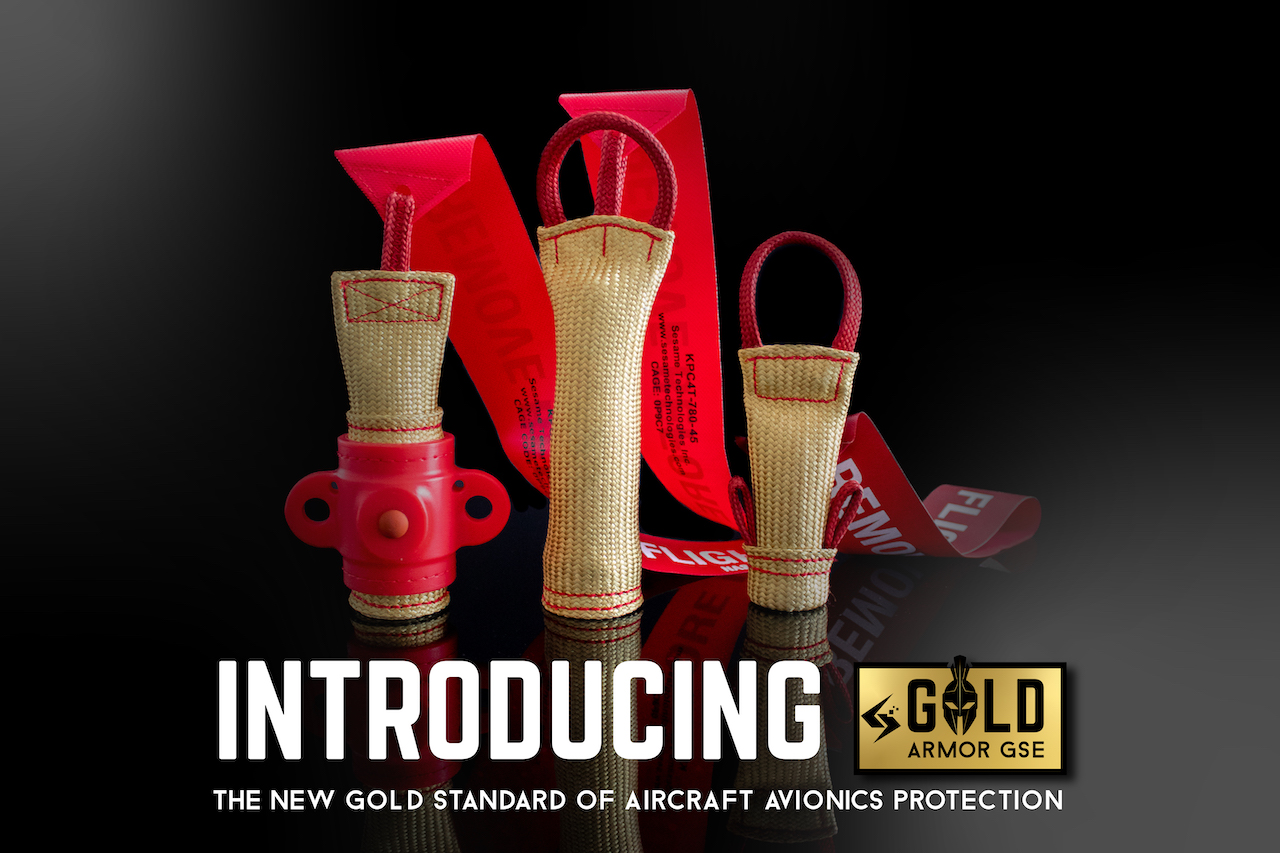
Leading systems use materials such as Arclin Kevlar®, Kevlar® EXO™, and Nomex®, as well as carbon fiber, stainless steel, and high-temperature silicones. These materials ensure performance under high heat, extreme cold, and other harsh conditions.
High-Visibility & Lanyard Systems
Bright covers and flags ensure covers are easily seen during walkarounds, properly removed before flight, and not overlooked during inspections.
One of the most overlooked risks in aviation is FOD caused by equipment loss. Lanyard systems keep covers attached to the aircraft, reduce the risk of equipment loss, and serve as an additional visual reminder to remove covers before flight.
Ease of Installation
In high-tempo operations, equipment must be quick to install, easy to remove, and standardized. The simpler the system, the more consistently it will be implemented by ground personnel. A standardized protection system across your fleet ensures consistency, safety, and efficiency.
Operational Benefits of Aircraft Protection Systems
Investing in aircraft protection isn’t just about preventing aircraft damage — it directly impacts efficiency, cost, safety, and reliability.
Reduced Maintenance Costs
By preventing contamination and damage, fewer repairs are required, less troubleshooting is needed, less labor is required, and component lifespan is extended.
Improved Aircraft Availability
Aircraft that require fewer repairs, spend less time grounded, maintain tight schedules, and deliver more operational value.
Faster Turnaround Times
When protection systems are standardized, installation and removal become routine, preflight inspections are streamlined, and delays caused by uncertainty are reduced.
Lower Risk of Operational Disruptions
Unexpected sensor and engine issues can cause flight delays, cancellations, and emergency maintenance. Aircraft protection systems reduce these risks at the source.
Aircraft Protection Implementation Framework
Aircraft protection is one of the most cost-effective ways to mitigate risk in military, commercial, and executive aviation operations. While often overlooked, protective covers are a high impact means of risk mitigation, ensuring flight readiness. A well-designed protection system prevents damage before it occurs, enhances personnel safety, improves operational efficiency, and reduces long-term costs.
As the aviation industry continues to prioritize reliability and performance, organizations that invest in comprehensive protection strategies will be better positioned to maintain safe, efficient, and resilient operations.
Organizations seeking to improve aircraft protection and implement a robust aircraft protection system for their fleet should follow a structured approach:
- Risk Assessment. Identify risks, hazards, and accidents that are already impacting your organization.
- System Selection. Choose solutions designed for your aircraft, your organization, and your difficulties.
- Standardized Training. Implement consistent equipment and procedures. Ensure all personnel understand proper equipment procedures and the risks associated with aircraft damage and personnel safety.
- Continuous Improvement. Monitor outcomes, refine processes, and stay up to date on the latest innovations in aircraft protection solutions.
At Sesame, we design, develop, and manufacture aircraft protection solutions for military, commercial, and executive aviation operations. Whether you’re experiencing FOD damage, ladder strikes, or engine failure, our team has developed tools that can improve your operations by preventing damage before it occurs.
To start implementing aircraft protection strategies for your organization, reach out to our team of aircraft protection experts.



.jpg)